A 3-Minute Pressure Point Technique for Tinnitus Relief
6/22/20262 min read
You’re tired of hearing a sound nobody else can hear.
The ringing follows you into bed, sits beside you at work, and steals quiet moments that used to feel effortless. After a while, it stops feeling like a noise problem and starts feeling like a life problem.
That’s why tricks promising relief in three minutes get attention.
And honestly, some people do notice a temporary change.
One reason is that tinnitus doesn’t always come from the ears alone. The brain constantly blends information from your hearing system, jaw muscles, neck muscles, and surrounding nerves. When those signals become irritated or unbalanced, the brain can sometimes interpret them as sound.
That’s where pressure points enter the conversation.
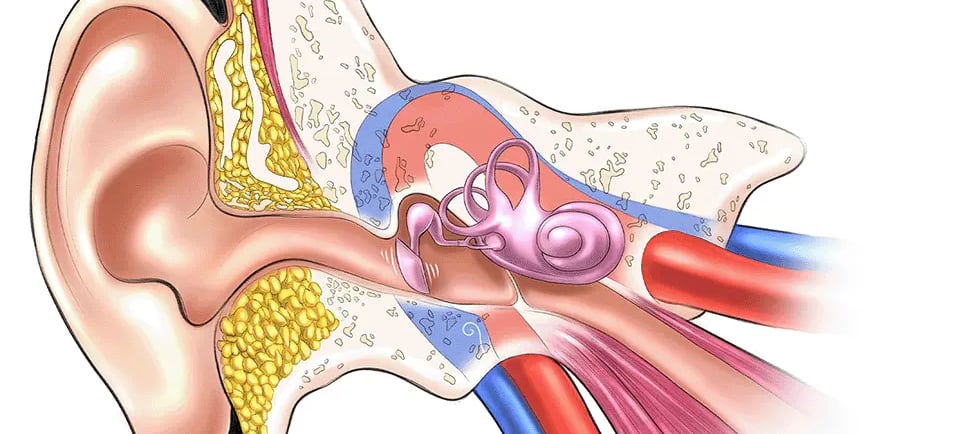
One commonly discussed point sits just behind the earlobe, near the base of the skull. Another lies where the jaw connects near the ear. Applying gentle pressure or massage to these areas may help relax nearby muscles and reduce tension that can aggravate certain forms of tinnitus.
The key word is certain.
If your tinnitus becomes louder when you clench your jaw, turn your head, or tighten your neck muscles, physical tension may play a bigger role than you realize. In those cases, releasing muscle tightness can sometimes soften the perception of ringing for a short period.
A person who spends ten hours a day at a computer often discovers this firsthand. Their hearing tests may look relatively normal. Yet their shoulders stay elevated, their jaw stays tight, and the ringing spikes after stressful days.
The pressure point itself may not be doing all the work.
Often, the benefit comes from slowing the nervous system, improving local circulation, and interrupting patterns of muscle tension that have been building for months or years.
That distinction matters.
Many people become frustrated because a technique works briefly, then the ringing returns. They assume the method failed. In reality, the technique may have revealed something important about what is contributing to their symptoms.
Tinnitus is surprisingly complex. Hearing changes, noise exposure, jaw dysfunction, neck strain, stress responses, sleep disruption, and nervous system sensitivity can all influence what you hear. That’s why two people with similar ringing can have very different underlying causes.
The biggest mistake is assuming the sound itself is the problem when the sound may be a signal of something deeper.
Once you see tinnitus through that lens, a lot of confusing experiences start making sense. Temporary relief from a pressure point. Louder ringing after a stressful week. Sudden changes when your neck feels stiff. Good days that seem impossible to explain.
None of this means every case has the same answer.
But it does mean that chasing the noise alone often leads nowhere. Understanding what is driving the noise gives you a much better chance of making meaningful progress.
And that understanding matters sooner rather than later. Persistent tinnitus can become harder to ignore as the brain adapts to it. In some cases, ongoing tinnitus may also appear alongside hearing changes that deserve attention rather than delay.
I understand the skepticism. If you've been dealing with ringing for years, another tip can sound like more false hope.
After going through this myself, I put together a short free video that goes deeper into exactly this. I explain why certain pressure-point techniques seem to help some people, why they often stop working, and what may be happening underneath the surface that most discussions completely miss.
If the ringing has been gradually getting worse or starting to affect your hearing, understanding the cause matters. Waiting too long can make it harder to recognize what is actually driving the problem.
Better living well
Simple health and wellness content designed to be easy, calming, and beginner-friendly.
Quick links
© 2025. All rights reserved.