A 5-Minute Bedtime Tinnitus Technique Worth Trying Tonight
6/14/20263 min read

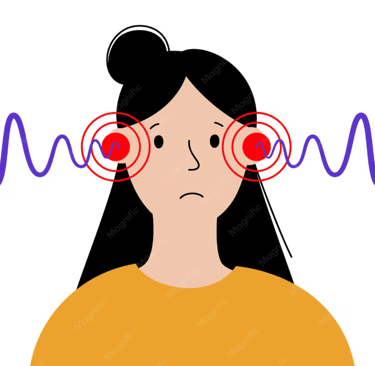
You climb into bed exhausted, hoping tonight will be different.
Then the ringing starts to take over the silence again.
What makes tinnitus so draining isn't just the sound. It's the way it follows you into the moments when you need peace most. Sleep becomes harder. Concentration slips. Even sitting quietly can feel impossible.
If you've ever stared at the ceiling at 2 a.m., wondering why your ears seem louder than the entire room, you're not imagining it.
One reason tinnitus often feels worse at night has nothing to do with your ears getting louder. Your environment gets quieter. During the day, your brain processes thousands of sounds. Traffic. Conversations. Air conditioners. Footsteps.
At night, those sounds disappear.
The ringing doesn't necessarily increase. Your brain simply has fewer competing signals to pay attention to.
That matters because tinnitus is not just an ear issue. It's also an attention issue.
Before sleep tonight, try this simple five-minute reset.
Sit somewhere comfortable. Keep the room quiet but not completely silent. If possible, use a gentle background sound like rainfall, a fan, or soft white noise.
Now focus on that external sound for thirty seconds.
Then shift your attention to five things you can feel physically. The mattress beneath you. Your feet. Your hands. The temperature of the room. The sensation of breathing.
Spend a few moments moving your attention between those sensations.
This isn't about forcing the ringing away.
It's about teaching your brain that the ringing is not the only signal available.
That distinction sounds small. It isn't.
People who struggle most with tinnitus at night often describe a cycle that becomes automatic. They hear the ringing. They become frustrated. Their body becomes more alert. The brain starts monitoring the sound even more closely. The ringing feels stronger, which creates even more attention and stress.
The cycle feeds itself.
Breaking that cycle often starts with reducing the brain's fixation on the sound rather than fighting the sound directly.
A retired teacher once described it perfectly. She spent years trying to "beat" the ringing every night. Ear drops, gadgets, endless internet searches. Nothing seemed to help. The first improvement came when she stopped treating bedtime like a battle and started giving her brain something else to focus on.
That shift changed everything about how she approached her evenings.
The truth is that many tinnitus sufferers spend years targeting the noise itself.
The deeper issue is often the brain's ongoing response to the noise, not just the noise alone.
When you understand that, certain approaches begin to make more sense.
You stop asking, "How do I eliminate the sound right now?"
You start asking, "Why is my brain holding onto this signal so tightly?"
That question opens a completely different conversation.
Researchers have learned that tinnitus can involve complex interactions between hearing pathways, attention networks, stress responses, and changes in how the brain processes sound. That's one reason two people with similar hearing tests can experience tinnitus very differently.
It also explains why untreated tinnitus deserves attention.
For some people, persistent tinnitus accompanies underlying hearing changes that continue developing quietly in the background. The earlier you understand what's contributing to the ringing, the better positioned you are to respond appropriately.
After going through this myself, I put together a short free video that goes deeper into exactly this.
You may feel skeptical, especially if you've already tried more things than you can count. That's understandable. In the video, I explain why common tinnitus approaches often focus on the symptom while overlooking what's happening underneath.
Ignoring persistent tinnitus for years can sometimes allow related hearing issues to progress unnoticed. Understanding the bigger picture sooner simply gives you more options.
Better living well
Simple health and wellness content designed to be easy, calming, and beginner-friendly.
Quick links
© 2025. All rights reserved.