The Everyday Habits Making Your Face Look Older Faster
6/20/20263 min read
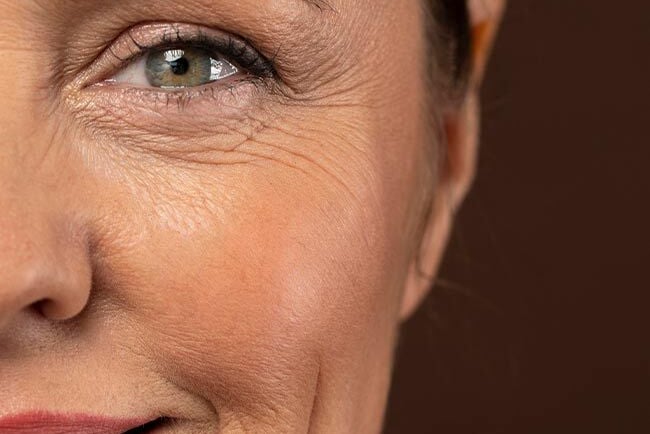
You catch your reflection in a store window and do a double take. The face looking back feels older than the person you still feel like inside.
What makes it harder is knowing you've done the "right" things. You bought the moisturizer. You wear sunscreen. You drink water. Yet the lines keep showing up anyway.
The truth is, skin aging rarely comes from one big mistake. More often, it comes from small daily habits that quietly add up over years.
One of the biggest is chronic squinting and facial tension. If you spend hours staring at screens, concentrating, or frowning without realizing it, the muscles in your face repeat the same movements thousands of times each day. Over time, those repeated expressions begin to leave permanent marks behind.
Poor sleep plays a bigger role than most people realize too.
Your skin does much of its repair work while you sleep. When sleep becomes inconsistent, your body produces more stress hormones. Those hormones can affect collagen, the protein that helps keep skin firm and smooth. You may notice dullness, deeper lines, and skin that seems less resilient than before.
Another overlooked habit is eating in a constant state of stress.
When you're rushing through meals, your body focuses on survival rather than repair. Stress doesn't just affect your mood. It influences inflammation throughout the body, including the skin. Some people spend years buying expensive creams while ignoring the daily stress signals their body never gets a break from.
Then there's sun exposure.
Not just beach vacations. Everyday exposure counts too. Driving, walking the dog, sitting near windows, and running errands all add up. Ultraviolet light gradually breaks down collagen fibers. The effects often appear years later, which is why the connection feels easy to miss.
Sugar deserves a mention as well.
Excess sugar can contribute to a process called glycation. In simple terms, sugar molecules can attach to proteins like collagen and elastin. Those proteins become stiffer and less flexible. Skin loses some of its bounce and begins to look older than its actual age.
A habit almost nobody talks about is neglecting muscle and circulation health.
Healthy blood flow helps deliver nutrients and oxygen to skin cells. Long periods of sitting, little movement, and poor overall fitness can affect how vibrant your skin appears. This doesn't mean you need intense workouts. Regular movement simply supports systems your skin depends on.
And finally, smoking remains one of the fastest ways to accelerate visible aging. It restricts blood flow, increases oxidative stress, and damages collagen. Dermatologists have recognized its impact on skin aging for decades.
The woman who carefully applied anti-aging creams every night but slept five hours, lived under constant pressure, and rarely moved her body often felt shocked by the results. She wasn't neglecting her skin. She was unknowingly fighting only one piece of a much larger picture.
The most important thing to understand is that wrinkles are often the visible result of what's happening beneath the skin, not simply a surface problem that appears on top of it.
That realization changes everything.
When you start looking beyond the mirror and toward the processes that support collagen, circulation, repair, and recovery, aging begins to make more sense. You stop blaming yourself. You stop wondering why one more cream isn't delivering the dramatic change you hoped for.
You start seeing the difference between treating the appearance of aging and understanding what may be driving it.
If you're skeptical, that's completely fair. Most advice about aging skin sounds repetitive after a while.
After going through this myself, I put together a short free video that goes deeper into exactly this. I explain some of the lesser-known factors that can influence how quickly facial aging appears and why addressing them early matters.
The reality is that these habits don't usually stay the same year after year. Their effects tend to accumulate. Understanding what's happening now gives you more options than waiting until the changes become harder to ignore.
Better living well
Simple health and wellness content designed to be easy, calming, and beginner-friendly.
Quick links
© 2025. All rights reserved.