The Real Reason Your Anti-Aging Cream Falls Short
6/19/20262 min read
You look in the mirror and wonder when your face started changing so fast.
Not because you expected to stay 25 forever. But because you did the things you were told to do. You bought the creams. You used sunscreen. You stayed consistent. Yet somehow the person staring back feels older than you expected.
That feeling can be hard to explain.
It is not just about wrinkles. It is the sense that your reflection no longer matches how you feel inside.
What makes it worse is the confusion. Every new cream promises smoother skin. Firmer skin. Younger-looking skin. But after a while, many people notice the same thing.
Their skin feels softer.
Their wrinkles don't look much different.
That does not mean anti-aging creams are useless.
Many contain ingredients that help hydrate the outer layer of skin. Some can temporarily improve texture and reduce the appearance of fine lines. A few ingredients, such as retinoids, have research behind them and can support healthier skin over time.
The problem is that most people expect these products to do something they were never designed to do.
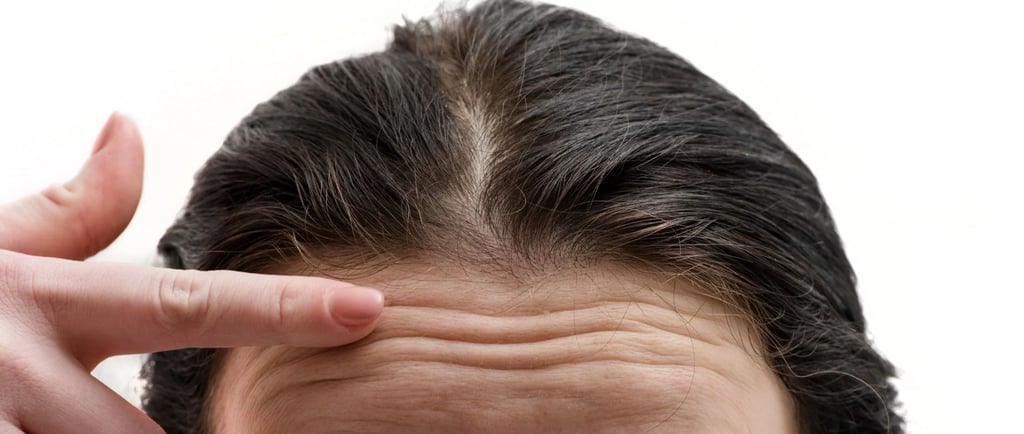
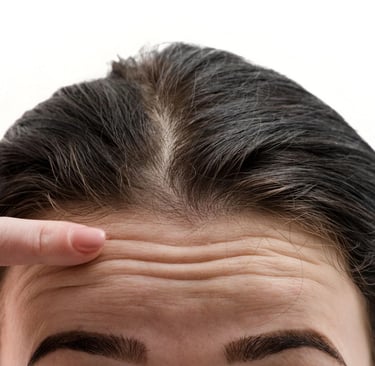
A wrinkle is not only a surface issue.
When you are younger, your skin contains abundant collagen and elastin. These proteins help skin stay firm, resilient, and smooth. As the years pass, production slows. Existing collagen fibers also become weaker and more disorganized.
At the same time, facial fat shifts. Muscles change. Bone structure gradually loses volume.
Those changes happen underneath the skin.
A cream sits on top of the skin.
That distinction matters.
Think about someone who carefully applied expensive products for years yet still noticed deeper lines around the mouth and sagging near the jawline. Their frustration was not a lack of effort. They were trying to solve a deeper structural change with a surface-level tool.
That is why moisturizing often creates a temporary improvement. Skin looks plumper because it holds more water. Fine lines may appear softer for a few hours.
But hydration and aging are not the same thing.
Many people accidentally measure the wrong result. They ask whether their skin feels smoother instead of asking whether the underlying causes of visible aging are changing.
Once you understand that difference, the disappointment starts making more sense.
The biggest mistake is assuming wrinkles begin on the surface when many age-related changes start much deeper.
That does not mean you should throw away every cream you own.
Healthy skin still benefits from moisture, sun protection, and good ingredients. Those habits matter. They help protect what you have.
But they work best when you see them for what they are: support, not complete answers.
For many people, the real turning point comes when they stop asking, "Which cream should I try next?" and start asking, "What is actually happening beneath my skin?"
That question leads to a very different conversation.
And often, a much more useful one.
I understand the skepticism because I went through this myself.
After going through this myself, I put together a short free video that goes deeper into exactly why visible aging can continue even when you are doing everything right on the surface. I also explain the underlying processes that influence how skin changes over time and what most people never hear about them.
The reality is that aging does not pause while you search for answers. The earlier you understand what is driving those visible changes, the more informed your decisions become.
Better living well
Simple health and wellness content designed to be easy, calming, and beginner-friendly.
Quick links
© 2025. All rights reserved.