Try These Two Skull Pressure Points for Tinnitus Relief
6/23/20262 min read
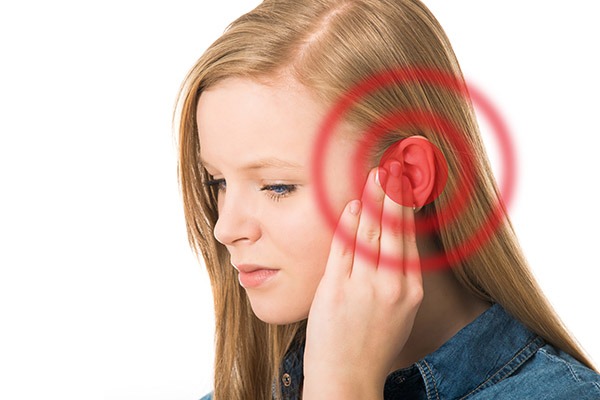
You’re exhausted from hearing a sound nobody else can hear.
The ringing follows you into bed, into quiet rooms, and into moments that should feel peaceful. After a while, it stops feeling like a symptom and starts feeling like a constant companion you never invited.
That’s why simple pressure-point techniques get so much attention. When the noise feels relentless, even a minute of relief matters.
One technique some people find calming involves placing your fingertips behind your ears where the base of the skull meets the neck. Apply gentle pressure and make small circular motions for about 90 seconds. Another point sits slightly higher, just behind the ear on the bony ridge of the skull. Gentle pressure there may help release muscle tension around the jaw, neck, and scalp.
Will it stop tinnitus completely? Probably not.
But here’s why these techniques sometimes feel helpful.
Tinnitus is often treated as an ear problem. Yet for many people, the experience involves much more than the ears alone. The muscles of the neck, jaw, and upper shoulders share nerve pathways that communicate with parts of the brain involved in hearing. When those areas stay tight for long periods, they can sometimes influence how tinnitus is perceived.
This helps explain something many people notice but rarely understand.
The ringing often seems louder after a stressful day. It can flare during periods of poor sleep. Some people notice changes when clenching their jaw or turning their head. Those patterns suggest the nervous system plays a larger role than most people realize.
I once spoke with a retired teacher who spent years trying different ear-focused solutions. What finally caught her attention was realizing her ringing became noticeably worse during periods of neck stiffness and tension headaches. That observation didn’t eliminate the tinnitus, but it helped her understand why certain relaxation techniques provided temporary relief when other approaches did not.
Pressure points may work in a similar way. The gentle stimulation can encourage muscles to relax and may briefly shift the brain’s attention away from the ringing. For some people, that change feels meaningful. For others, it makes little difference.
The important thing is understanding where these methods fit.
They address tension, stress signals, and sensory input. They do not necessarily address the underlying reason tinnitus developed in the first place.
That distinction matters.
Many cases of tinnitus involve hearing changes, noise exposure, circulation issues, medication effects, jaw dysfunction, nervous system activity, or a combination of several factors. When you focus only on silencing the sound, it becomes easy to miss the processes contributing to it.
The ringing may be what you hear, but it is not always where the problem begins.
Once that idea clicks, tinnitus starts looking different. Instead of fighting the sound every day, you start asking better questions about what is driving it.
That shift often brings a surprising amount of relief on its own. Not because the ringing disappears, but because the situation finally starts making sense.
If you’re skeptical, that makes complete sense. Most people with tinnitus have already spent plenty of time trying things that promised more than they delivered.
After going through this myself, I put together a short free video that goes deeper into exactly this. I explain why tinnitus can persist even when the ears seem fine, and why some approaches help temporarily while others miss the bigger picture.
One thing worth knowing is that persistent tinnitus sometimes worsens over time when contributing factors go unaddressed. In some cases, it can also accompany changes in hearing that deserve attention sooner rather than later.
Better living well
Simple health and wellness content designed to be easy, calming, and beginner-friendly.
Quick links
© 2025. All rights reserved.